
Padel Racket Weight Guide: How Heavy Should Your Racket Be?
How racket weight and balance change power, control and arm comfort, and how to choose the right padel racket weight for your level.

Weight is one of the most overlooked things on a padel racket spec sheet, yet it shapes how the racket feels in your hand from the first rally. Too heavy and your arm tires, your swing slows and your elbow starts to complain. Too light and the racket can feel unstable, with less power behind your shots. This guide explains how padel racket weight works, how balance changes the feel, and how to pick the right weight for your level.
How heavy is a padel racket?
Adult padel rackets typically weigh between about 340 and 375 g. The ranges below are a useful starting point, though they are not strict rules.
| Weight | Feel | Usually suits |
|---|---|---|
| Under 350 g | Very light, quick and easy to swing | Beginners, juniors and players who want less arm strain |
| 350 to 360 g | Light to medium, manoeuvrable with some stability | Beginners moving up, many women’s rackets and intermediate players |
| 360 to 370 g | Medium to heavy, stable and powerful | Intermediate to advanced players |
| 370 g and above | Heavy, maximum stability and drive | Strong, fit and experienced players |
Manufacturers list a tolerance, usually around 10 g either way, because the weight of EVA foam and carbon varies slightly from racket to racket. A racket listed at 365 g may weigh a little more or less in your hand.
Light vs heavy: the trade-offs
- Light rackets: faster to swing, easier on the arm, and quicker for volleys and defence. The trade-off is less natural power and a racket that can be pushed around by heavy balls.
- Heavy rackets: more stability and more power from the racket’s own mass. The trade-off is more strain on your arm, wrist and elbow, and slower reactions at the net.
A good rule: choose the heaviest racket you can swing comfortably for a full match, not the heaviest one you can swing for a minute.
Balance matters as much as weight
Balance describes where the weight sits along the racket, and two rackets of the same weight can feel completely different.
- Low balance (head light): weight closer to the handle. Rackets feel quick and easy to control, which suits beginners and defensive players.
- Medium balance: an even feel that works for most players.
- High balance (head heavy): weight closer to the top of the head. This adds power on overheads and smashes, but feels heavier to swing. It is common on diamond rackets, as covered in our racket shapes guide.
Some rackets, such as the NOX Genius range, include a weight balance system that lets you adjust where the weight sits, which is useful once you know how you like your racket to feel.
Choosing the right weight for your level
- Beginners: look for around 340 to 360 g with a low balance. Our beginner racket guide has recommendations. The Babolat Contact, for example, is a round, lightweight first racket at roughly 340 g.
- Intermediate players: 355 to 365 g is the sweet spot for most. Read the intermediate racket guide if you are upgrading.
- Advanced players: 360 to 375 g, depending on whether you want stability or speed. See the advanced racket guide.
- Women and smaller players: many players choose lighter, more manoeuvrable options. Our guide to padel rackets for women covers this in more detail.
- Arm or elbow trouble: go lighter, choose a softer core and avoid very head-heavy rackets.
Weight and your playing frequency
If you play once a week for an hour, you can usually handle a slightly heavier racket than someone playing three long sessions a week, because your arm has time to recover. If you play often, a lighter racket is the kinder choice for your joints.
Examples from our range
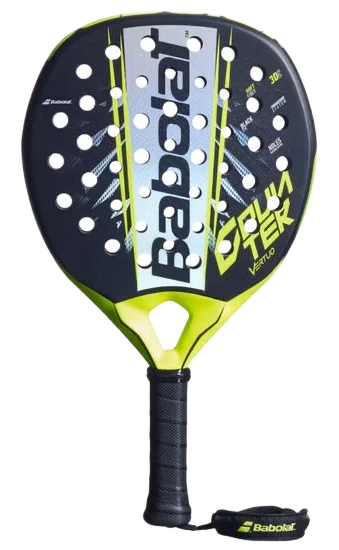
- Babolat Counter Vertuo 2.6: round shape, about 350 g, easy to control.
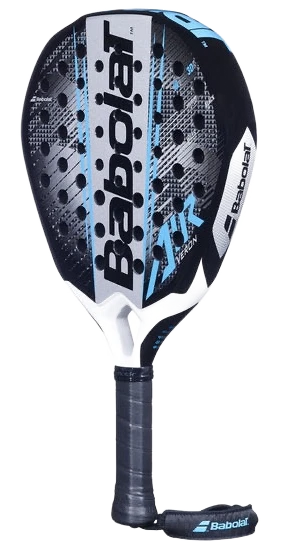
- Babolat Air Veron 2.6: teardrop, about 355 g, light and manoeuvrable.
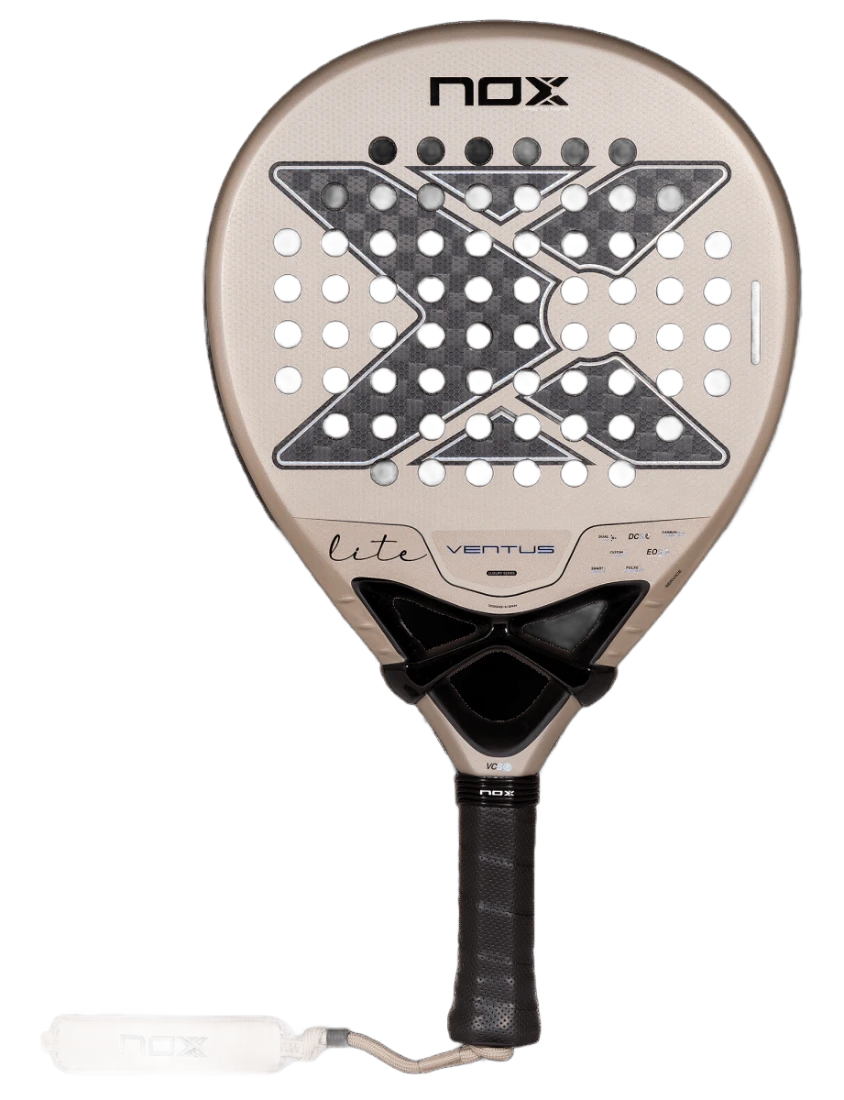
- 2027 NOX Ventus Hybrid 12K Lite: the lightest Ventus at 350 to 360 g (pre-order).
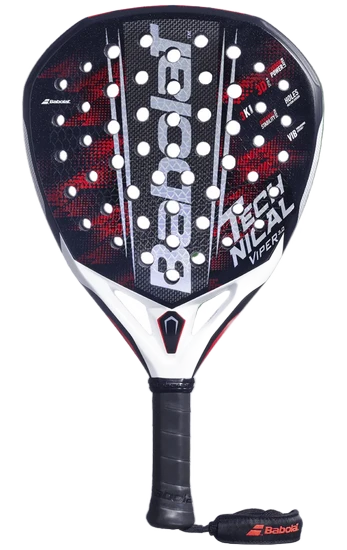
- Babolat Technical Viper 3.0: diamond, about 370 g, built for power.
Browse the whole range on our padel rackets page, or WhatsApp us your level and how often you play, and we will suggest a weight. For the full picture of what else to consider, read how to choose a padel racket.
Gear from
this guide
Keep reading

Best Padel Rackets Under R3,000 in South Africa
The best padel rackets for R3,000 or less in South Africa, by level: beginner, improving and advanced, with what you…

Padel Rackets for Tennis Players: What to Buy First
Switching from tennis to padel? Here is the racket shape, weight and balance to choose first, five rackets we suggest,…

How Much Does a Padel Racket Cost in South Africa?
What a padel racket costs in South Africa, what you get at each price level, and how to spend your…
