
Padel Shoes vs Tennis and Running Shoes: What to Wear on Court
Why running shoes slip on padel courts, how padel shoes differ from tennis shoes, and how to choose the right pair for South African courts.
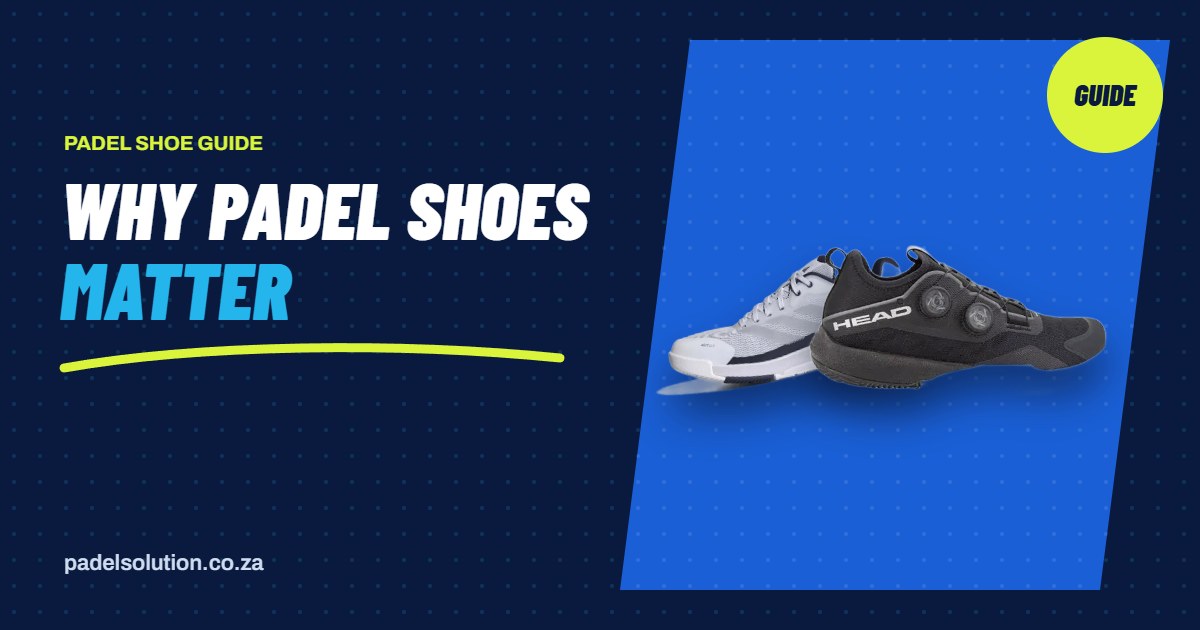
Most new players spend hours choosing a racket and then turn up in running shoes. It is the most common padel mistake we see, and it costs points, ankles and knees. Here is why padel shoes matter, how they differ from tennis and running shoes, and how to pick the right pair for South African courts.
Why you need padel shoes
Padel is played on artificial grass topped with sand. The game is all short, explosive movements: side steps, sudden stops, quick changes of direction and lunges into the corners. Shoes built for this surface give you grip without sticking, support when you move sideways and cushioning for constant stop-start play.
Padel shoes vs running shoes
Running shoes are designed to move you forward. They have soft, high foam, a smooth sole and very little side support. On a sandy padel court they slide, and when you push off sideways your foot can roll over the edge of the sole. That is how ankles get sprained.
Padel shoes vs tennis shoes
Tennis shoes are much closer. They have lateral support and a durable sole, and many players start in them. The difference is the outsole pattern. Padel shoes usually use a herringbone or omni pattern that grips sand-filled turf, while some tennis soles are built for hard courts and can feel slippery in the corners of a padel court.
What to look for in a padel shoe
- Outsole: a herringbone or mixed omni pattern for sand-filled artificial grass. “Clay” or “all court” soles also work well on most padel courts.
- Lateral support: a firm heel counter and a reinforced side wall so your foot stays centred when you change direction.
- Cushioning: enough to absorb repeated stops and jumps, but low enough to keep you close to the ground and stable.
- Toe protection: padel players drag their toes on lunges and volleys, so a reinforced toe cap adds months to the life of a shoe.
- Fit: snug in the heel with a little room at the toes. Lacing systems such as BOA give a very secure, even fit.
Padel shoes in stock
Ranges change through the season, so check each product for the latest sizes.
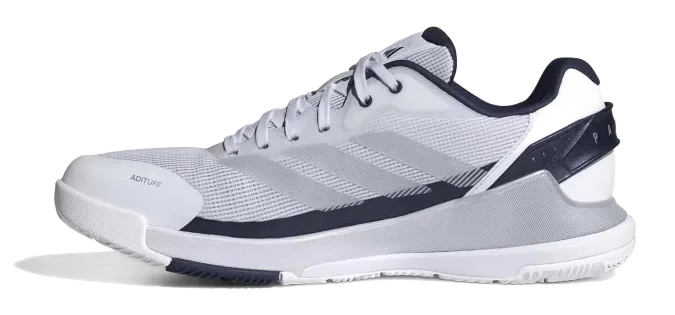
- Adidas Crazyquick LS: light and fast, built for quick players who live at the net.
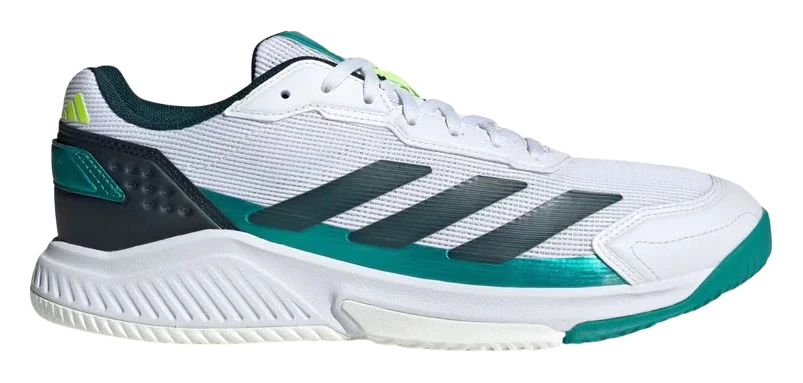
- Adidas Courtquick: a comfortable, well-priced all-rounder for regular club play.
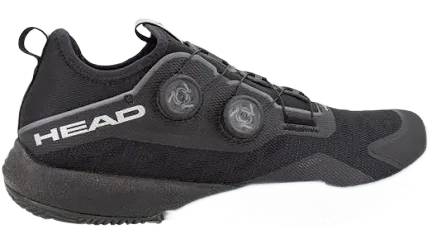
- Head Motion Pro BOA: a premium, highly supportive shoe with BOA lacing for a locked-in fit.
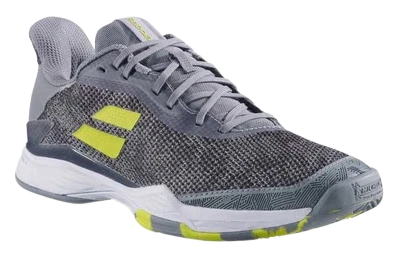
- Babolat Jet Tere All Court: a lightweight all-court shoe that handles padel courts well.
Getting the size right
Sizing varies slightly between brands. Measure your foot at the end of the day, when it is at its largest, and wear the socks you play in. If you are between sizes, most players prefer the larger size for padel, because feet swell during long matches. Not sure? Ask us before you order and we will help you choose.
How long do padel shoes last?
Sand is abrasive, so padel wears soles faster than most sports. If you play two or three times a week, expect a good pair to last six to twelve months. Replace them when the sole pattern has worn smooth under the ball of the foot or the heel no longer feels stable. Worn soles are the number one cause of slips on court.
Quick care tips
- Knock the sand out after every game.
- Keep them for padel only. Walking on tar and concrete wears the sole down fast.
- Let them air dry. Never leave them in a hot car boot.
Ready to upgrade? Browse our padel shoes, then pair them with the right racket using our racket guide. Free delivery on orders over R1,500, anywhere in South Africa.
Gear from
this guide
Keep reading
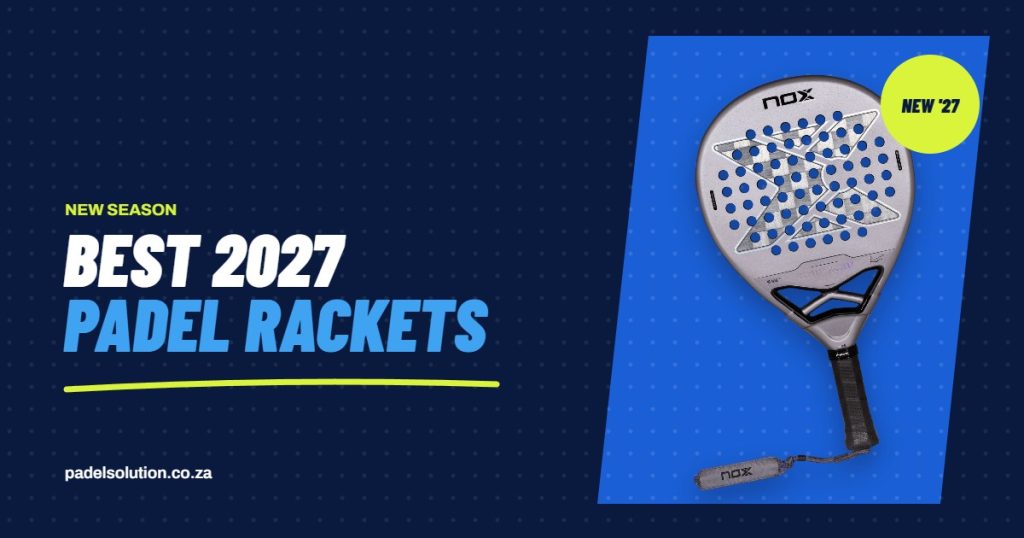
The Best 2027 Padel Rackets: What’s New From Nox, Bullpadel and Babolat
What is new in the 2027 padel rackets from Nox, Bullpadel and Babolat, who each one suits, and whether to…
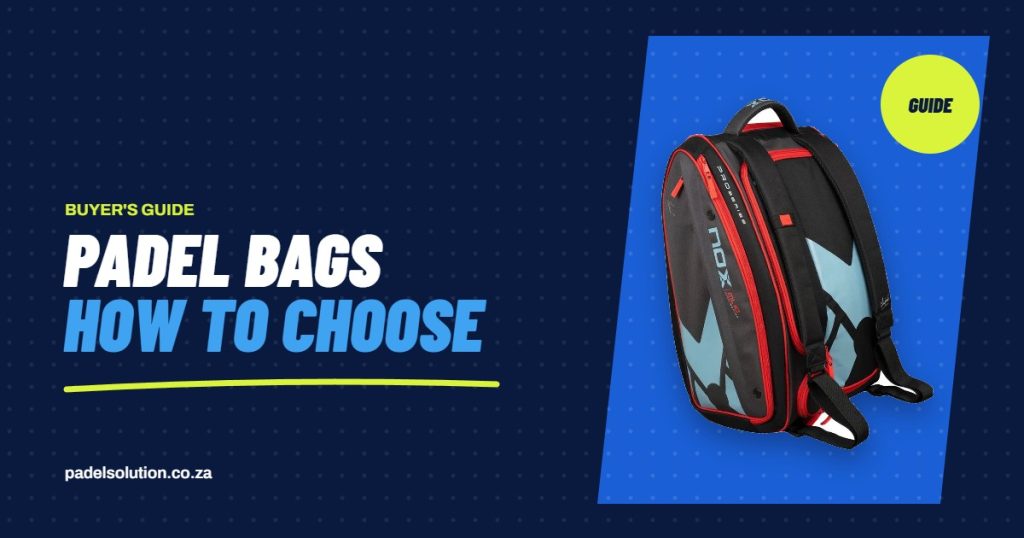
Padel Bags: How to Choose the Right One (South Africa Guide)
Racket bag, backpack or cover? How to choose a padel bag, why a thermal compartment matters, and the bags we…

Best Padel Shoes in South Africa: A Buying Guide for 2026
Sole patterns, fit, support and when to replace them, plus the padel shoes we stock in South Africa.
